
Adrenal Pathology
Adrenal pathology encompasses a spectrum of disorders affecting the cortex and medulla of the adrenal glands, ranging from non-neoplastic and hyperplastic changes to benign and malignant neoplasms. Diagnosis requires a multidisciplinary approach integrating clinical, biochemical, radiologic, gross, microscopic, and immunohistochemical findings.
Key entities include hyperplasia, benign adrenocortical adenoma, aggressive adrenocortical carcinomas, pheochromocytoma, and other rare tumors. The pathologist’s role is to deliver an accurate diagnosis by examining slides provided by surgeons, referring physicians, or the patient. This diagnosis is then shared with the medical care team, including endocrinologists, oncologists, and surgeons, who will work with patients to devise an appropriate treatment plan. Accurate diagnosis guides management—medical therapy versus surgery, and appropriate follow-up.
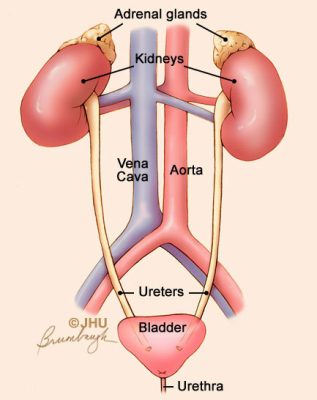
Adrenal Basics
The adrenal glands, also known as suprarenal glands, are two small, triangular organs roughly the size of a fortune cookie or the top of a thumb. They are located in the upper abdomen, positioned directly on top of each kidney. Despite their small size, they are vital components of the endocrine system, producing a wide range of hormones essential for survival and maintaining the body's internal balance (homeostasis).
Each gland is composed of two distinct regions that perform separate functions:
Adrenal Cortex ▼
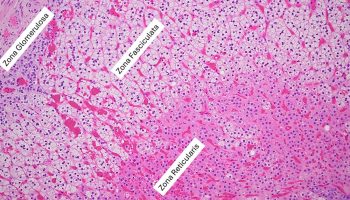
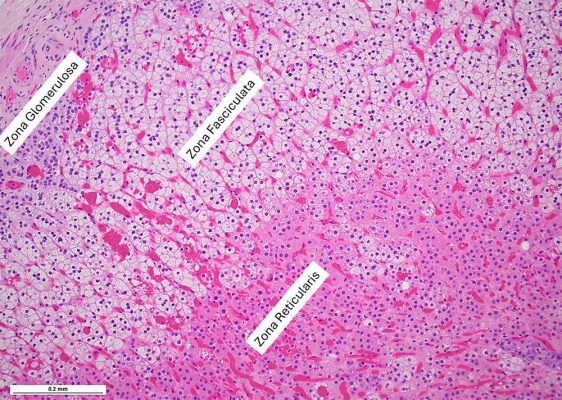
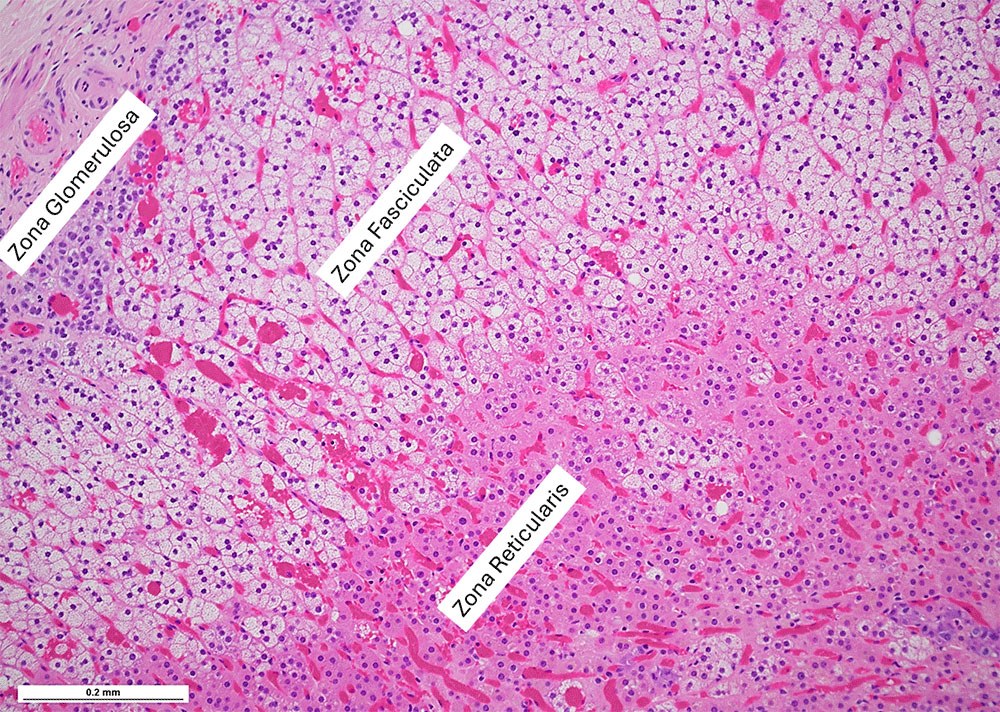
This outer layer makes up about 90% of the gland's weight and produces steroid hormones. It is divided into three zones, often remembered by the mnemonic "Salt, Sugar, Sex":
- Aldosterone (Salt; zona glomerulosa): Regulates blood pressure and electrolyte balance by signaling the kidneys to retain sodium and release potassium.
- Cortisol (Sugar; zona fasiculata): A primary stress hormone that manages metabolism, controls blood sugar, reduces inflammation, and regulates the sleep-wake cycle.
- Androgens (Sex; zona reticularis): Precursor hormones converted elsewhere into estrogen or testosterone, playing a role in sexual development.
Adrenal Medulla ▼
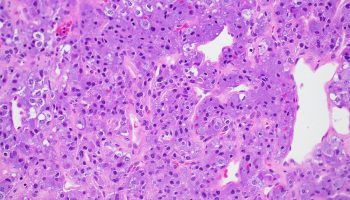
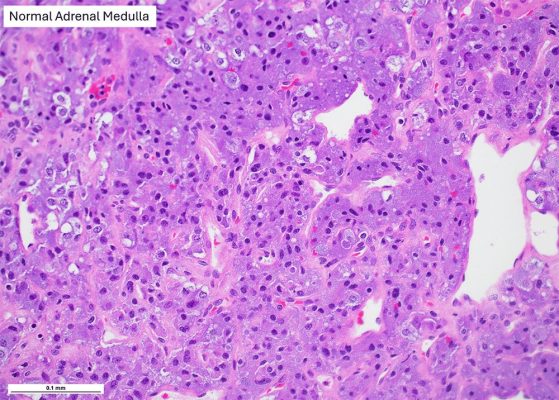
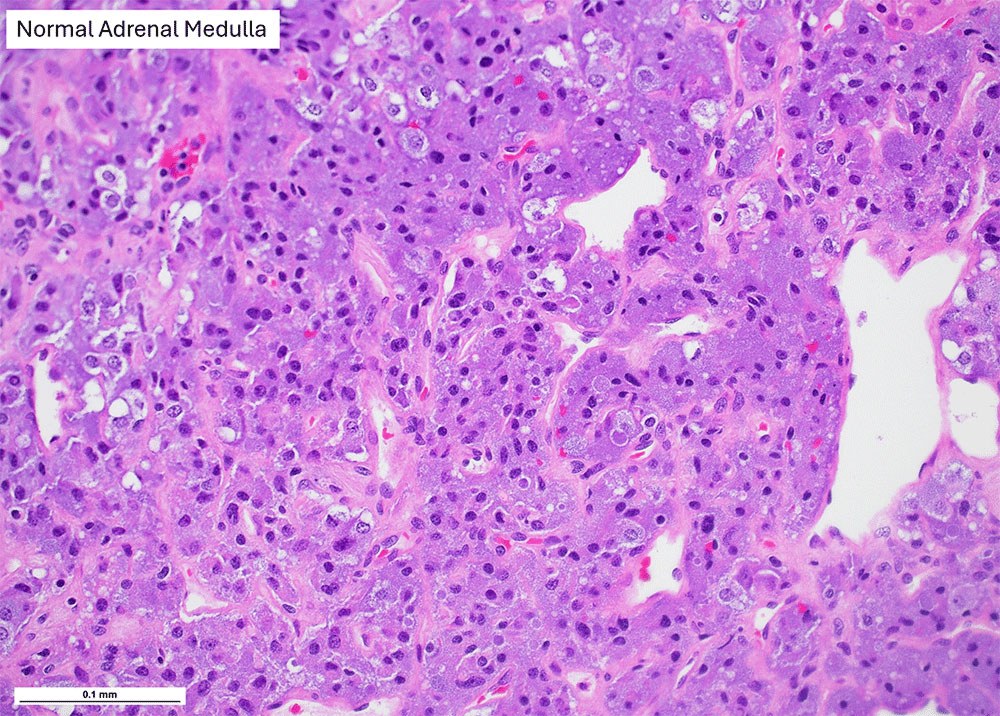
This inner core is part of the sympathetic nervous system and acts as the body's "emergency" center. It secretes catecholamines, specifically epinephrine (adrenaline) and norepinephrine (noradrenaline). These hormones trigger the immediate "fight-or-flight" response, rapidly increasing heart rate, blood pressure, and energy levels to help the body react to sudden danger or stress.
enlarge image